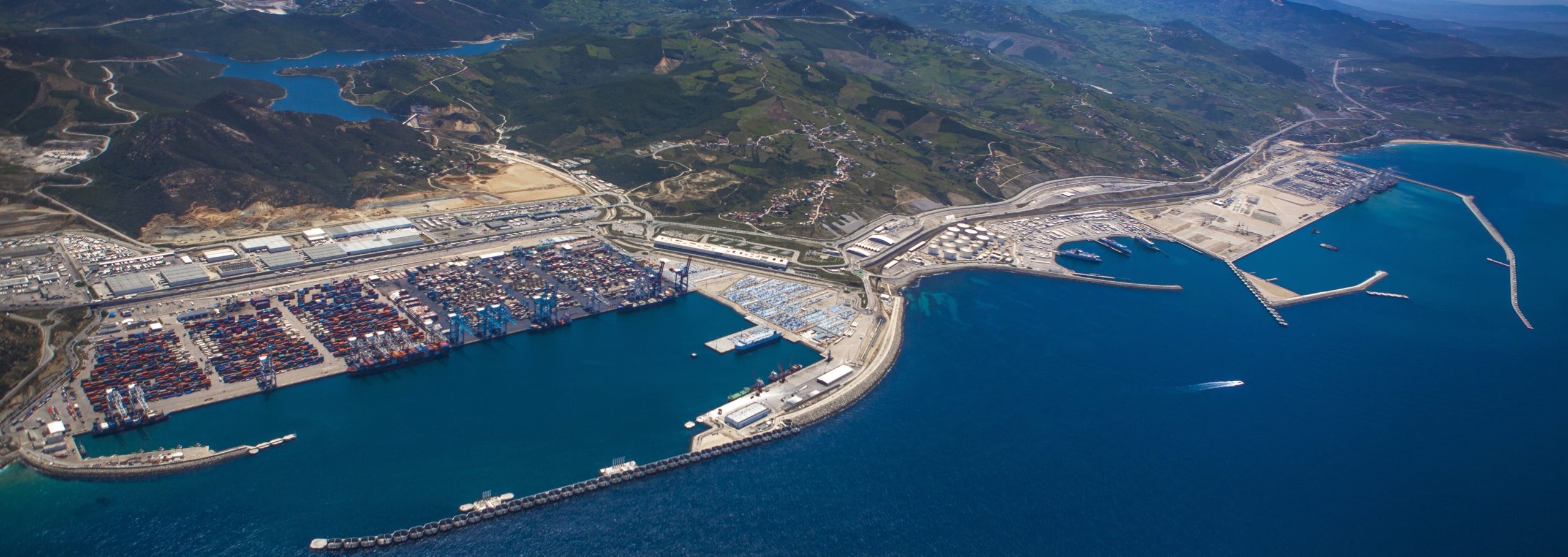
Customs clearance is the set of formalities that allows goods to legally cross the Moroccan customs border. Poorly prepared, it leads to extra costs and goods stuck at the port. Here are the key steps, as we handle them every day for our clients in Tangier.
1. Preparing the documents
Even before the goods arrive, you need to gather the commercial documents: final invoice, packing list, transport document (bill of lading or air waybill) and, where applicable, the certificate of origin. Consistent paperwork is the foundation of fast clearance.
2. Bank domiciliation and PortNet
Foreign trade operations go through PortNet, Morocco's national single window. Importers use it to handle bank domiciliation and track their import titles. Your customs broker relies on this platform to coordinate everyone involved.
3. Filing the declaration (DUM)
The Single Goods Declaration (DUM) is registered in BADR, the Moroccan Customs IT system. It sets the customs procedure, the tariff classification and the duties and taxes to be paid.
4. Customs inspection
Depending on the channel assigned (green, orange or red), goods may be released on the basis of documents alone or undergo a physical inspection. A well-prepared file reduces the risk of an in-depth check.
5. Payment and release
Once duties and taxes are paid, customs grants release: the goods can leave the port area. All that remains is delivery and returning the containers.
Save time with a customs broker
Every day goods sit at the port costs money (demurrage, storage). Working with a licensed customs broker lets you anticipate formalities and avoid tariff classification errors.
Importing through Tanger Med? Transit Slimani handles your entire customs clearance. Request a quote.